

Inside the $6.5 Trillion Fossil Fuel Portfolio
$6.5 trillion. That is the combined value of shares and bonds that the world’s institutional investors hold in fossil fuel companies. The Investing in Climate Chaos database lifts the curtain on thousands of asset managers, pension funds, sovereign wealth funds, and insurers still deeply entangled with coal, oil, and gas. Over 95% of identified investments are in companies actively developing new oil and gas reserves or building new fossil fuel infrastructure. Read on for further analysis.
Summary: Institutional investors hold over $6.5 trillion in fossil fuel shares and bonds, with US giants Vanguard and BlackRock alone accounting for over $1.2 trillion. Most strikingly, $64 billion is locked into bonds that won't mature until after 2050, some stretching as far as 2115. While a handful of European institutions have begun cutting their fossil fuel exposure, the research makes clear that meaningful progress remains the exception rather than the rule.
The Top Climate Offenders
The top 21 institutional investors hold 50% of the fossil fuel company shares and bonds identified in Urgewald’s research. The US-based asset managers Vanguard ($659.5 billion) and BlackRock ($553.3 billion) plus Saudi Arabia’s Public Investment Fund ($283.7 billion) account for nearly a quarter (23%) of institutional fossil fuel investments worldwide.
Apart from the Norwegian Government Pension Fund Global (rank 9, $91.3 billion), UBS from Switzerland (rank 14, $71.7 billion), Royal Bank of Canada (rank 17, $67.2 billion), and the Government Pension Investment Fund of Japan (rank 19, $63.8 billion), US-based asset managers dominate the rest of the top ranking.
Flourish visualizations are embedded on our website to present interactive charts and data stories.
If you access a page with this third-party content, your IP address is transmitted to Flourish so the visualization can be loaded.
We need your consent to display the embedded content from Flourish. You can display this content, and thus all other content from Flourish on our website, with one click and also deactivate it again.All in all, European institutional investors hold 13% of the identified fossil fuel shares and bonds. Norway’s Government Pension Fund Global (GPFG) is Europe’s largest fossil fuel investor. As Dina Rui from the Nordic Center for Sustainable Finance comments, “You can’t claim to be a climate leader if you are Europe’s largest investor in ExxonMobil. When it comes to climate change, the GPFG is Europe’s most irresponsible investor.” Next in the European line-up are Switzerland’s UBS, Crédit Agricole with its asset manager Amundi from France ($56.3 billion), Deutsche Bank with its asset manager DWS from Germany ($43.8 billion), and Legal & General from the UK ($38.0 billion).
Flourish visualizations are embedded on our website to present interactive charts and data stories.
If you access a page with this third-party content, your IP address is transmitted to Flourish so the visualization can be loaded.
We need your consent to display the embedded content from Flourish. You can display this content, and thus all other content from Flourish on our website, with one click and also deactivate it again.Bond Maturities Stretching Up to the 22nd Century
Fossil fuel companies raise a significant share of their financing by issuing bonds. Their primary buyers are institutional investors like mutual funds, pension funds, insurers and hedge funds. Urgewald’s research identifies institutional investments of $64 billion in fossil fuel bonds maturing after 2050. Over 240 investors, including big players like TIAA, the Government Pension Investment Fund of Japan, BlackRock, Toronto-Dominion, and JPMorgan Asset Management, hold fossil fuel bonds with maturities stretching to 2080 and beyond.
Enbridge bonds running until 2084
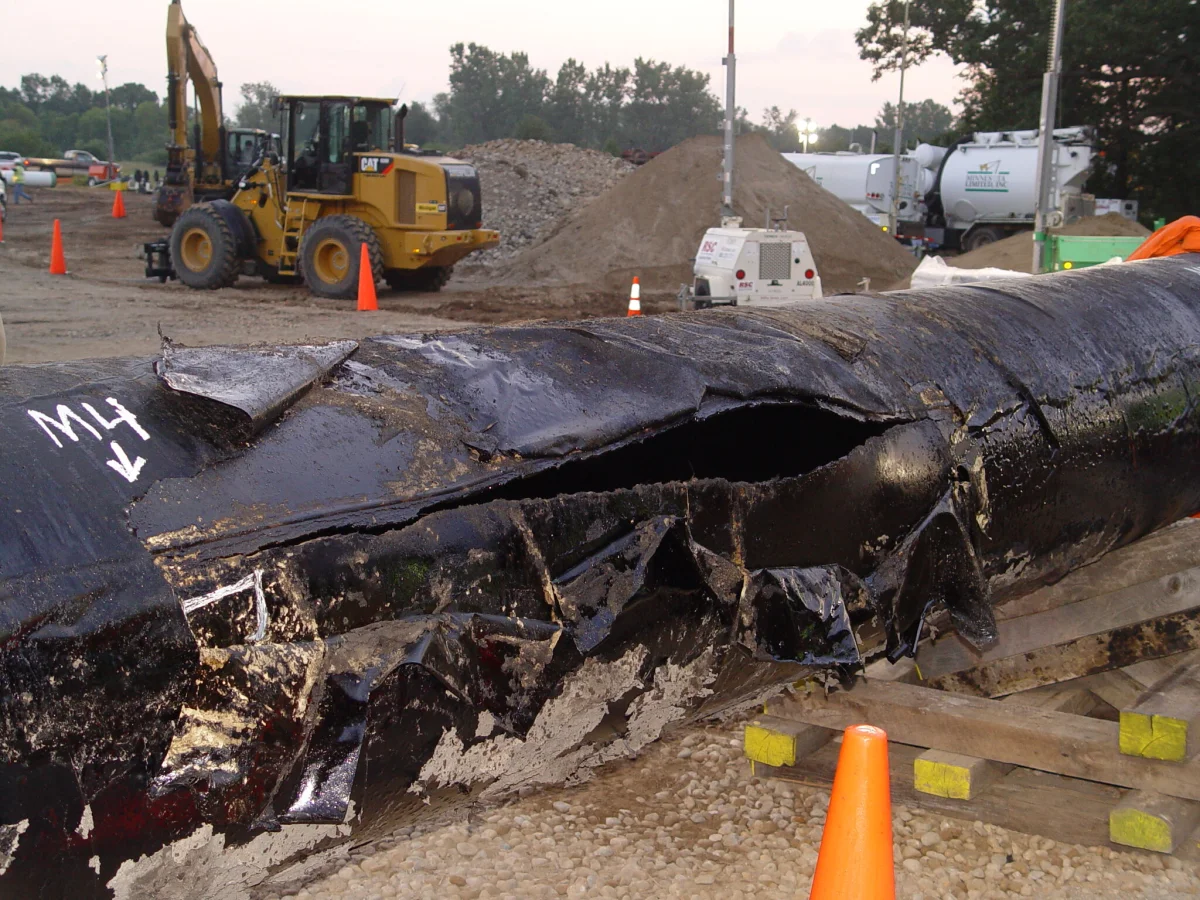
One of the companies that has issued bonds with maturity dates between 2080 and 2084 is the Canadian company Enbridge, which transports around 30% of the oil produced in North America. Enbridge’s Line 3 and Line 5 tar sands pipelines across Minnesota are a ticking time bomb and violate indigenous land rights. The company is also pursuing disastrous projects such as the Woodfibre LNG terminal, which endangers the fragile marine ecosystem of British Columbia’s Howe Sound. Enbridge has audaciously dubbed it “the world’s first net-zero LNG export facility”. Among the top investors in Enbridge bonds are Manulife Financial from Canada and TIAA from the US.
Read more about Enbridge's Line 3 and 5 Pipelines herePetrobras bonds running until 2115
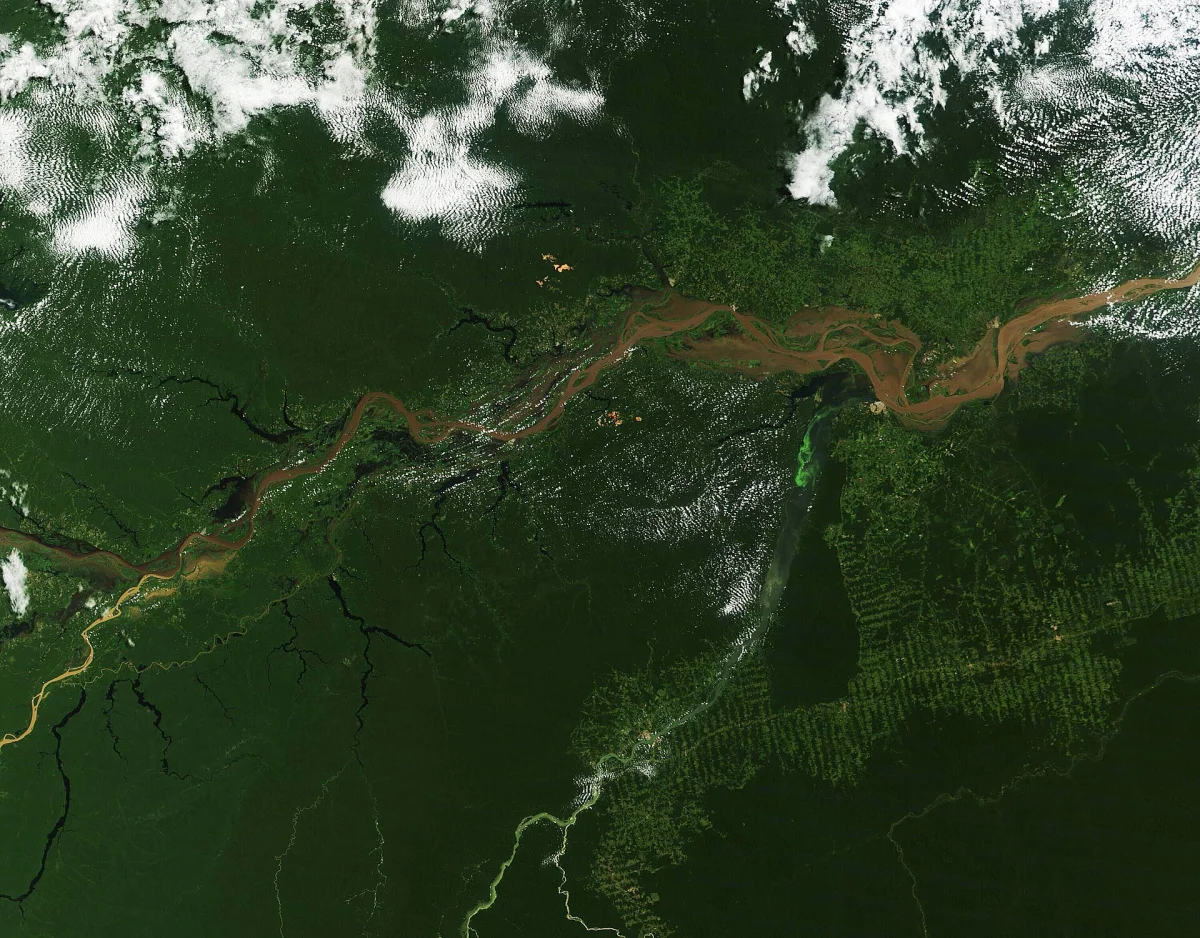
The longest-running fossil fuel bond identified in Urgewald’s research was issued by Brazil’s national oil company Petrobras and has a maturity date in 2115. Petrobras is the largest developer of new upstream oil and gas resources in Latin America. With 7,399 million barrels of oil equivalent under development, Petrobras alone is responsible for 29% of all upstream expansion in Latin America and the Caribbean. “Petrobras’ aims to continue expanding its oil production beyond 2050, and is sacrificing Brazil’s most fragile ecosystems and communities along the way. Last fall it began drilling off the Amazon coast and recently announced that it will re-start its drilling operations in the Amazon rainforest. Investing in Petrobras bonds means backing oil expansion well beyond the timeframe required to meet global climate targets,” says Alisson Capelli De Souza, Environmental Campaigner at the Arayara International Institute in Brazil. Among Petrobras’ long-term bondholders are Franklin Resources (USA), Manulife Financial (Canada), Royal London Group (UK), BlackRock (USA), OTP Bank Group (Hungary), and UBS (Switzerland).
Read more about fossil fuel expansion in Latin America hereThere Is a Better Way
In June 2026, the Swiss Association for Responsible Investments (SVVK-ASIR), which unites 12 major Swiss pension funds and insurers with total assets of over $350 billion, recommended that its members stop buying debt securities of ExxonMobil, Chevron, Marathon Petroleum, Saudi Aramco, PBF Energy, Philips 66, and Valero Energy Corporation. This is the first time that SVVK-ASIR has issued a “Deny Debt” recommendation.
Other institutional investors have gone even further. Nordea Asset Management no longer participates in bond issues of companies expanding their oil and gas production. Europe’s third-largest asset manager BNP Paribas Asset Management denies debt to all upstream oil and gas producers. France’s fourth-largest asset manager Ofi Invest denies debt to companies involved in the production of non-conventional fossil fuels, in expansion or exploration projects and in LNG exports. France’s SCOR, one of the world’s largest reinsurers, no longer invests in shares and bonds of oil and gas companies with upstream expansion plans. And Netherlands-based PFZW – the world’s 14th-largest pension fund – divested 310 oil and gas producers in 2024, including Shell, BP, and TotalEnergies. Only 7 upstream oil and gas producers remain in PFZW’s portfolio. As Joanne Kellerman, Chair of PFZW’s Board, explained, “The intensive shareholder dialogue over the past 2 years with the oil and gas sector on climate has made it clear to us that most fossil fuel companies are not prepared to adapt their business models to Paris.” In 2025, PFZW also ceased investing in BlackRock-managed stock funds, citing lack of alignment on climate.
Switzerland's Fondation Ethos – an umbrella body for Swiss pension funds – took a similarly firm stance. In 2022, they set a clear expectation: fossil fuel companies needed to adopt science-based targets for reducing their emissions by 2025, or face exclusion. No major company met that bar. Some went further, actively blocking shareholder resolutions on climate governance. The pattern was consistent enough to make one thing clear: these companies are not open to change. Companies developing new oil and gas projects are now formally excluded from all Ethos investment solutions, along with all coal mining companies regardless of revenue share.
While some institutions have taken significant steps in the right direction, our research shows that most institutional investors are failing both our climate and their own long-term fiduciary duty. Investments in the old energy world typically account for less than 5% of an investor’s portfolio, but they are fueling a crisis that puts 95% of their investments at risk. There are no safe pensions, no safe savings, no safe returns in a climate-destabilized world.
– Heffa Schücking, Urgewald CEO
Download our official press release for Investing in Climate Chaos 2026 here.